
Scandals & Feuds ·
When Baseball’s Owners Stopped Competing
Owners acted together against free agents after the 1985, 1986 and 1987 seasons. Arbitration rulings and grievances led to a $280 million settlement.
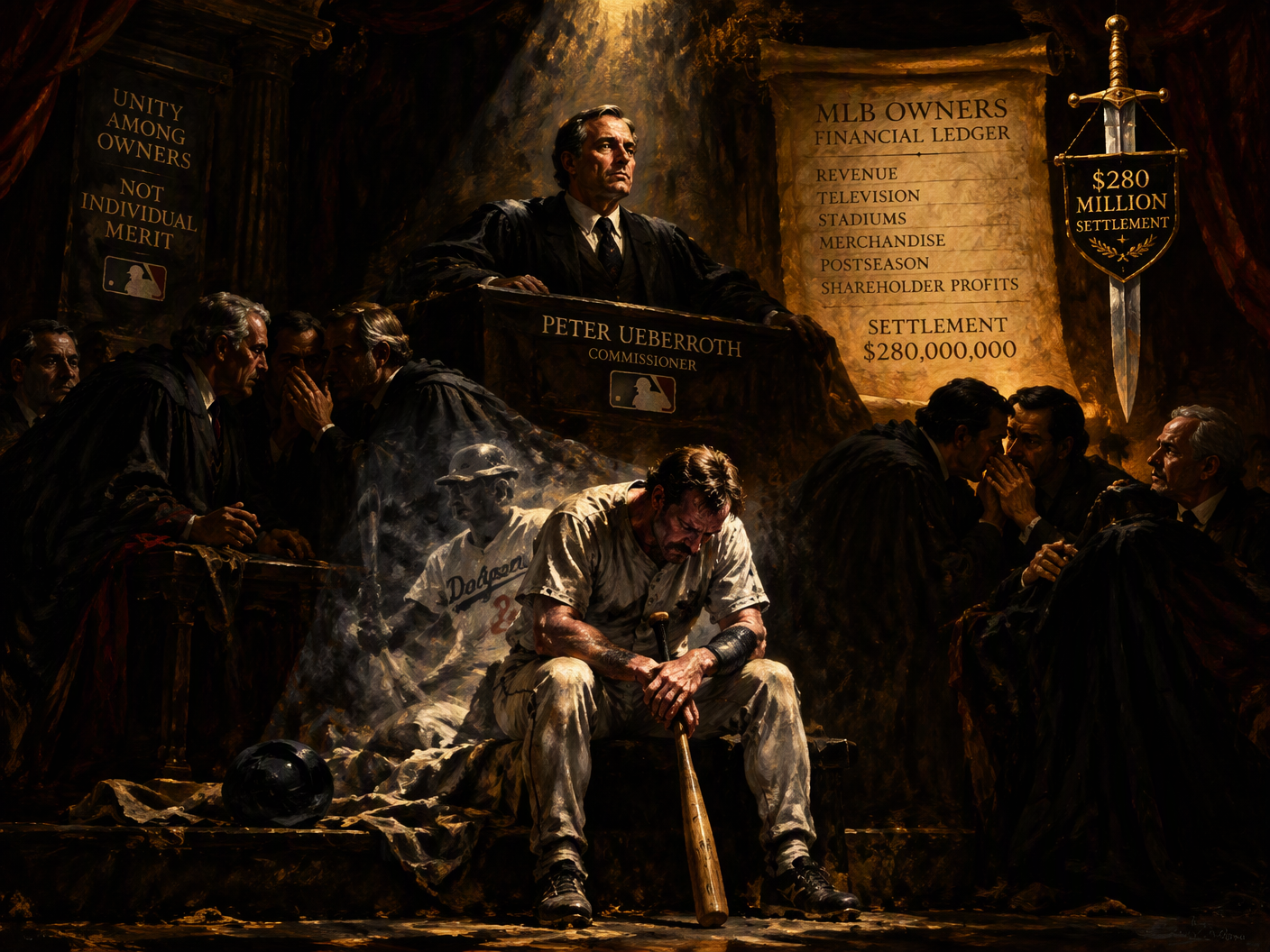
After the 1985 season, Detroit Tigers outfielder Kirk Gibson entered free agency and received no offers from other teams. He had driven in 91 runs and helped Detroit win the 1984 World Series. His empty market was part of a coordinated effort by Major League Baseball owners to avoid competing for one another’s players—a campaign that brought three union grievances, adverse arbitration rulings and a $280 million settlement.
The campaign developed under Commissioner Peter Ueberroth. According to Baseball History’s account, Ueberroth presented financial data at owners’ meetings in 1985, comparing the cost of free-agent signings with their returns. He asked whether it made business sense for owners to bid against one another when they could retain players more cheaply. The account describes encouragement, not a written agreement from the commissioner.
The distinction mattered less to players looking for another employer. Gibson was not the only accomplished free agent to find little interest that winter. Donnie Moore, who had saved 31 games for the California Angels, received none, according to the same account. Players returned to their original clubs at reduced salaries, often on one-year contracts. In February 1986, the Major League Baseball Players Association filed its first collusion grievance.
The following winter offered little relief. Only four free agents changed teams after the 1986 season, and three-quarters signed one-year contracts. Andre Dawson, an Expos outfielder, gave the Chicago Cubs a blank contract and told them to fill in the figure. They signed him for $500,000. In 1987, he hit 49 home runs and won the National League Most Valuable Player Award. The union filed its second grievance in February 1987.
That September, arbitrator Thomas Roberts ruled in the first case that owners had violated the collective bargaining agreement by conspiring to restrict player movement. The agreement prohibited clubs from acting in concert over free-agent signings. Roberts found that independent business decisions could not explain the sudden, simultaneous refusal to bid.
During the 1987–88 offseason, owners used an “information bank” to share details of offers to free agents. Baseball History’s account says the commissioner’s office administered it, making a club’s pursuit of a player visible to the others. The union, led by Donald Fehr, filed a third grievance in January 1988. A series of rulings ultimately found that owners had conspired against free agents following the 1985, 1986 and 1987 seasons.
The remedies included more than money. Some affected players received another chance at free agency without surrendering their existing contracts. On January 29, 1988, Gibson signed a three-year, $4.5 million contract with the Los Angeles Dodgers.
In November 1990, the owners agreed to a $280 million settlement covering the three cases. The Players Association would decide how to distribute the money to affected players. The owners admitted nothing in settling, according to Baseball History’s account. Then-commissioner Fay Vincent put it differently when addressing them: “You stole $280 million from the players.”