
Tragedy ·
Emiliano Sala’s Fatal Flight to Cardiff
After his transfer from Nantes, the striker was flown toward Cardiff on a commercial basis, although neither the pilot nor the aircraft had the required permissions. An inquest found that carbon monoxide poisoning left Sala deeply unconscious before the crash.
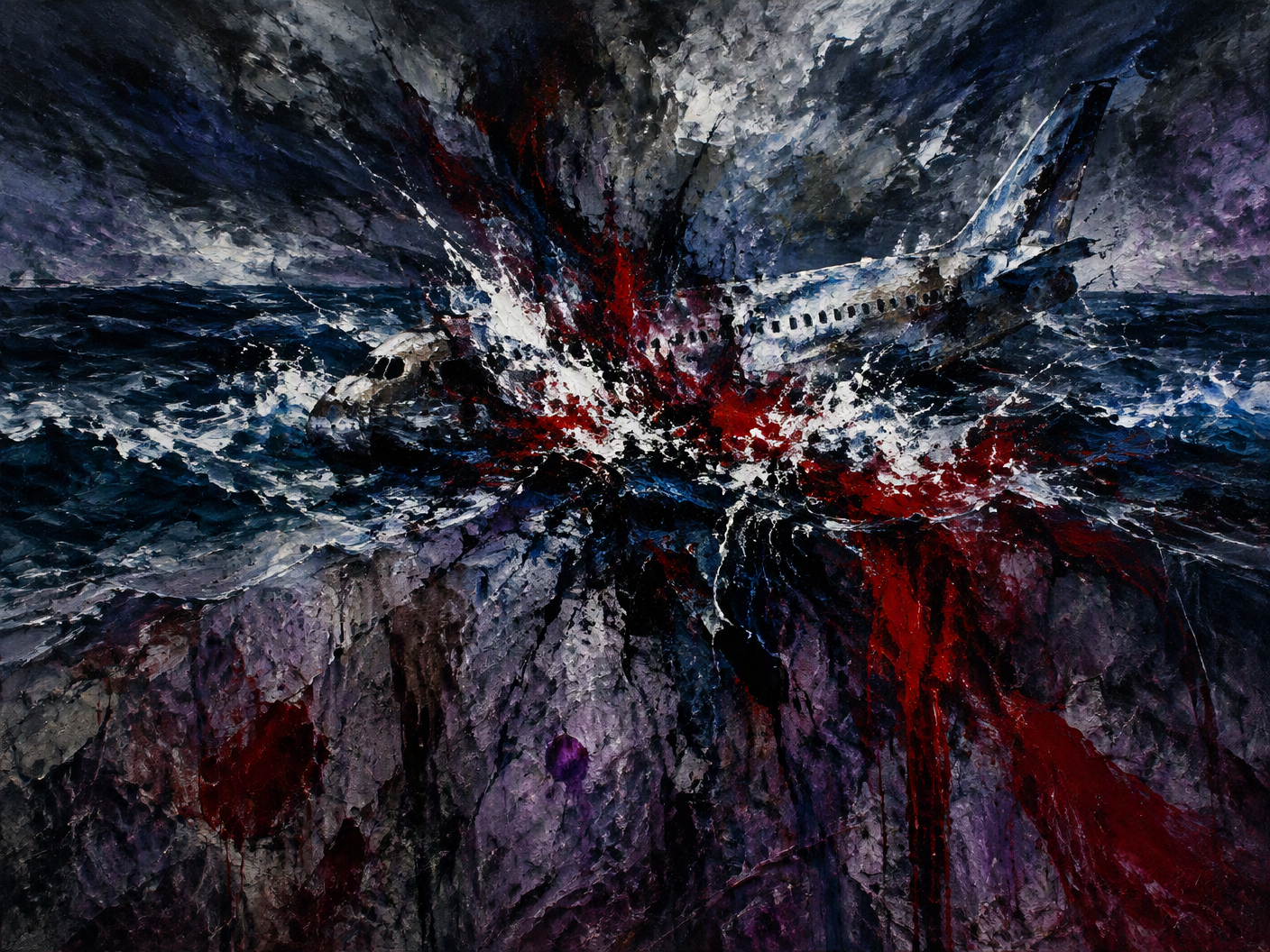
Emiliano Sala was travelling to Cardiff after signing for Cardiff City when the Piper Malibu carrying him crashed in the English Channel on 21 January 2019. The 28-year-old Argentinian striker had joined Cardiff in a £15 million transfer from Nantes. The Air Accidents Investigation Branch later established that he was being carried on a commercial basis, although neither the aircraft nor its pilot had the licences or permissions required for such a flight.
The plane left Nantes Airport at 19:06 UTC. Seventy minutes later, probably while manoeuvring to avoid poor weather, it disappeared from radar and struck the sea 22 nautical miles north-north-west of Guernsey. Sala and the pilot, David Ibbotson, 59, died. Investigators located the wreckage on the seabed on 3 February, at a depth of 68 metres. Sala’s body was recovered; Ibbotson’s remains had not been found by the time of the subsequent inquest.
The inquest jury concluded that Sala died in the crash after being overcome by toxic levels of carbon monoxide from the aircraft’s faulty exhaust system. Pathologist Dr Basil Purdue said the poisoning would have left him “deeply unconscious”. Sala was still alive at impact, Purdue said, and died from severe head and chest injuries. The jury also found that Ibbotson did not have the correct authority to fly at night.
An earlier AAIB bulletin recorded a carboxyhaemoglobin level of 58 per cent in Sala’s blood—a measure of carbon monoxide bound to the protein that carries oxygen. A level of 50 per cent or more is generally considered potentially fatal in an otherwise healthy person. Because the Malibu’s cockpit was not separated from its cabin, investigators considered it likely that the pilot had also been affected. Sala’s family later noted the jury’s finding that both men were likely to have suffered carbon monoxide poisoning.
The arrangements for the journey were also examined. Football agent Willie McKay arranged flights to and from Nantes after Sala completed a medical in Cardiff. McKay said he had wanted to help Sala get home and claimed Cardiff City had “abandoned” him. He denied knowingly arranging illegal “grey” flights—private charters carrying paying passengers.
David Henderson managed the aircraft for its owner and arranged flights, pilots and maintenance, despite not being its legally registered operator. The inquest heard that Ibbotson had reported a loud bang to Henderson on the outward flight from Cardiff to Nantes, but that no investigation was carried out after the plane landed. In 2021, Henderson was jailed for 18 months after being convicted of endangering an aircraft’s safety by using Ibbotson when he knew the pilot lacked the relevant licence. Henderson also admitted trying to arrange a passenger flight without permission or authorisation.
The AAIB’s final report made recommendations concerning carbon monoxide detectors, exhaust inspections and flight-crew licensing records. Chief inspector Crispin Orr said routine maintenance could not eliminate the risk of carbon monoxide leaks completely and called for active warning devices in piston-engine aircraft. Sala’s family welcomed the inquest’s scrutiny and the coroner’s decision to raise safety concerns with the relevant authorities. “No family should have to go through grief from a similar avoidable accident,” they said.