
Point Shaving & Fixes ·
How a Fixing Allegation Cost Torino Its 1927 Championship
Reports of an attempt to influence a derby prompted a federation inquiry and the loss of Torino’s first title. Juventus defender Luigi Allemandi, later banned, denied taking the money.
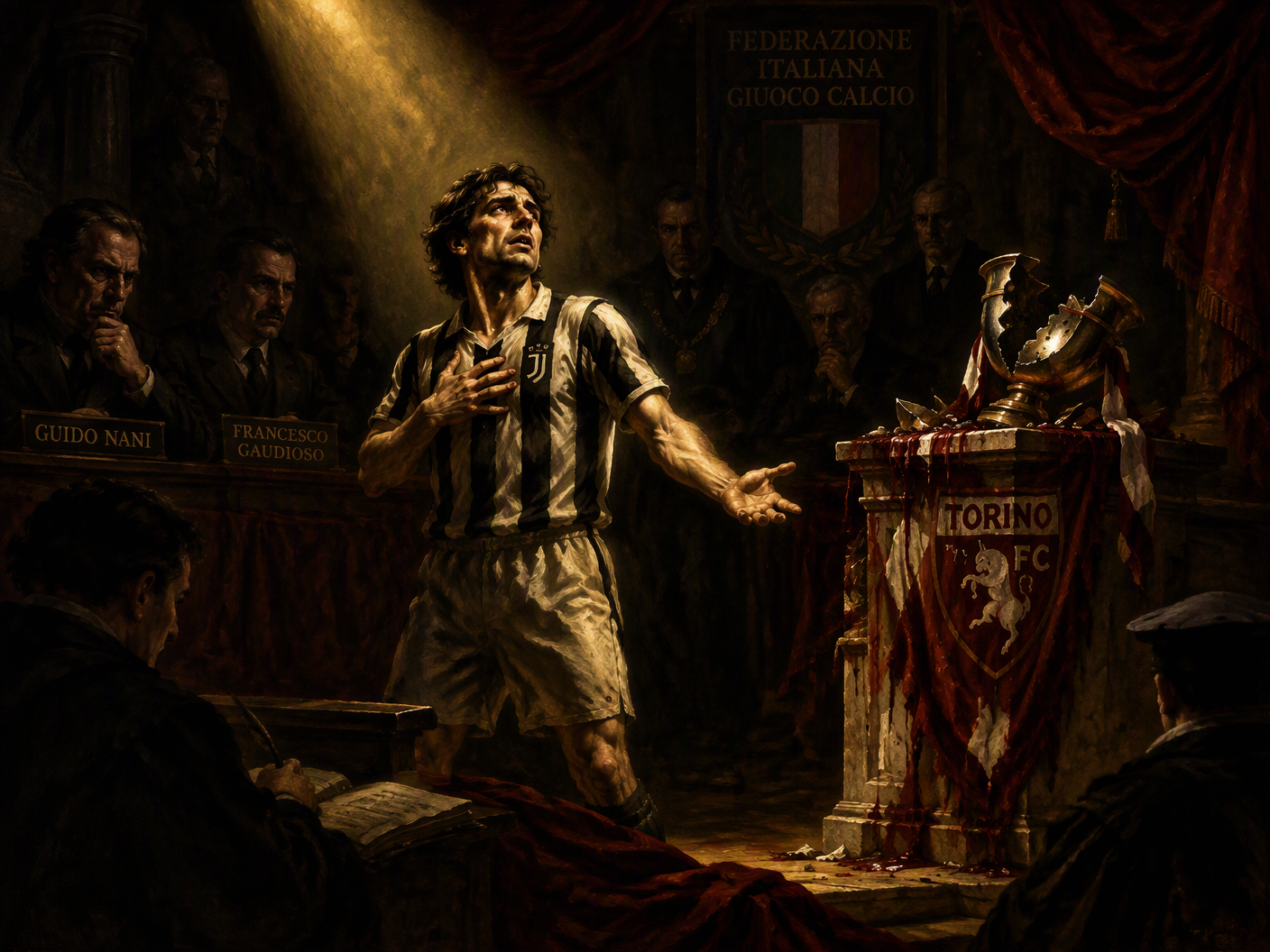
On 4 November 1927, Italy’s football federation took away Torino’s first national championship. It did not overturn the club’s results or alter the final league table. The title itself was revoked and left unassigned. At the centre of the inquiry was an alleged arrangement to buy the cooperation of Juventus defender Luigi Allemandi in a derby Torino had won five months earlier. Allemandi denied receiving the money for the rest of his life.
The match was played on 5 June 1927. Juventus led at half-time, but Torino recovered to win 2–1, moving closer to the championship. On 3 July, Torino beat Bologna 1–0 at its Filadelfia stadium and secured the title. The federation’s investigation began in September, after that season had ended and shortly before the next tournament began. What had been settled on the field was now being examined through reports of dealings away from it.
In his reconstruction for Rivista di Diritto Sportivo, legal scholar Piero Sandulli traces the inquiry to articles by Renato Ferminelli, a Turin correspondent for the Milan publication Lo Sport and Rome’s Il Tifone. Published between 29 July and 22 September, the articles alleged that the June derby had been subject to a fixing arrangement. A Toro News retrospective identifies university student Francesco Gaudioso as the person who disclosed his alleged intermediary role to Ferminelli.
The allegations connected three men: Guido Nani, Torino’s auditor and a friend of club president Enrico Marone Cinzano; Gaudioso; and Allemandi. Gaudioso and the defender lodged in the same boarding house in Turin’s piazzetta Madonna degli Angeli. According to the allegations summarized by Sandulli, Nani approached Allemandi through Gaudioso, advancing money and promising a further payment when Torino won the championship. The alleged purpose was to alter the match’s result. Whether Allemandi took the money or altered his play remains contested.
The distinction mattered to the disciplinary process. Sandulli explains that sports justice could punish an attempted offence, not only a successfully manipulated result. The federation’s first ruling revoked Torino’s 1926–27 championship and required the club to pay 10,000 lire toward the investigation’s expenses. It also imposed lifetime bans on the club’s leadership, including Nani. Allemandi’s position was not decided in that first ruling; his case was still being investigated.
A second decision, on 21 November, confirmed the sanctions against Torino and imposed a lifetime ban on Allemandi. The defender rejected the accusation. Sandulli cites a later interview in which he said: “I never took that money. I want justice. There was something rotten, it’s true, but I was not the guilty one.” The federation had imposed its punishment; Allemandi had not accepted its account of his responsibility. Torino’s results remained in the table, but the championship those results had earned was left without a holder.