
Doping & Drugs ·
A guard smashed Sun Yang’s blood-sample casing after a disputed test
FINA initially found no violation. In February 2020, CAS found that Sun had no justification for destroying the sample containers and imposed an eight-year ban, which he said he would appeal.
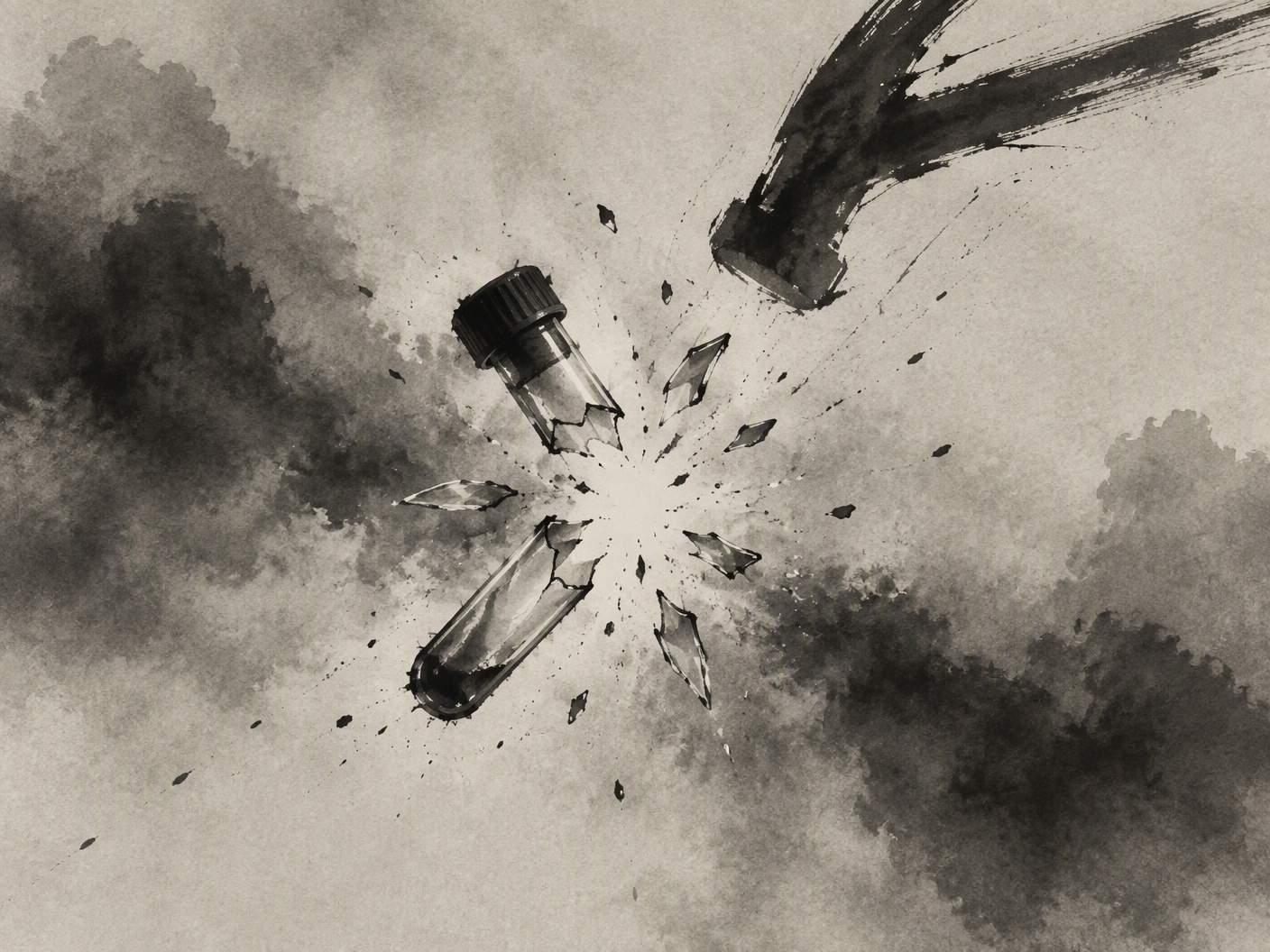
The blood had already been drawn when Sun Yang’s out-of-competition doping test escalated. During the September 4, 2018, visit, a security guard, instructed by the swimmer’s mother, used a hammer to break the casing around a vial of his blood. Evidence presented at a later public hearing described Sun lighting the early-hours scene with his mobile phone. The sample could no longer be used for anti-doping testing.
Sun, a Chinese Olympic swimming champion, had designated a late-night window for sample collectors to visit his home. International athletes must specify where they will be available for an hour each day. Three collection personnel arrived to obtain blood and urine. What followed became a dispute over their credentials—and over whether those objections justified preventing the collection from being completed.
According to SwimSwam’s account of FINA’s report, Sun questioned the collection assistant’s accreditation, photographed his identification card and sent the images to someone the report did not identify. Sun provided blood but refused to give a urine sample, saying the assistant was not authorized. His mother threatened to call the police. The collectors said they repeatedly warned Sun that providing urine without supervision could constitute a refusal violation.
Sun’s doctor, Ba Zhen, arrived as the argument continued. Ba questioned the personnel’s accreditation and denied them permission to take the blood away. The report said Sun and Ba were warned that the containers had to leave intact or an anti-doping violation could follow. Sun insisted that he was cooperating and would wait for a properly authorized assistant. The collection officer rejected that proposal. The confrontation then moved from objections about credentials to the breaking of the container.
The first adjudication favored Sun. In January 2019, a FINA tribunal found no anti-doping rule violation and treated the collection mission as void because the required protocol had not been followed. It cited doubts about the credentials presented by the collection team and judged that Sun had not been properly notified that he needed to provide samples. Its conclusion did not establish that the blood collector lacked qualifications; the panel said she had not produced unequivocal evidence of them.
The World Anti-Doping Agency appealed. At Sun’s request, the Court of Arbitration for Sport held a public hearing in November 2019. Sun testified that the collection personnel had not produced proper identification; a WADA expert disputed his claim. The hearing lasted 10 hours, with questioning hampered by serious Chinese-English translation problems. The verdict was delayed while the parties obtained a verified translation.
On February 28, 2020, CAS unanimously found Sun guilty of refusing to cooperate with the collectors and imposed an eight-year suspension. Its panel distinguished questioning credentials while leaving samples intact from destroying containers after warnings, thereby eliminating the possibility of later testing. It found that Sun had not established a compelling justification for destroying the sample containers and abandoning the doping control. The sanction followed an earlier, separate violation: Sun had served a three-month ban in 2014 after testing positive for a substance banned at the time.
The ruling threatened the racing career of the 28-year-old, three-time Olympic champion, though CAS allowed him to retain the two world titles he had won in 2019 while the appeal was pending. Sun announced plans to challenge the decision in Switzerland. “I firmly believe in my innocence,” he wrote after receiving the ruling. “I was shocked, angry and could not understand.”