
Doping & Drugs ·
The Two Doping Episodes Behind George Skafidas’s Lifetime Ban
Bernice Wilson described pressure to take drugs in 2011 and vitamin substitution without her knowledge in 2015. Her coach and former partner admitted nine anti-doping violations.
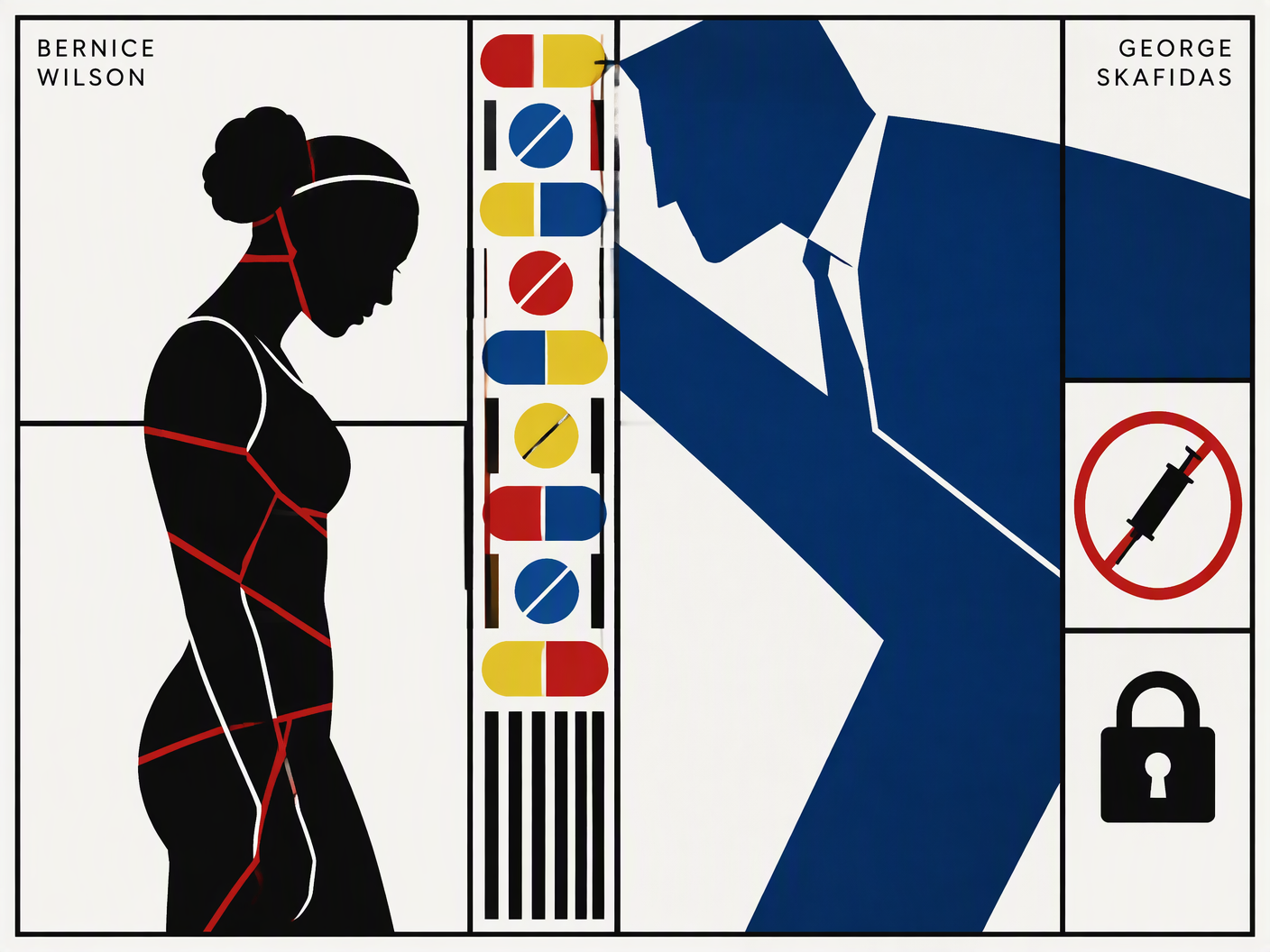
In February 2015, Bernice Wilson tested positive for a prohibited substance while still serving a four-year ban. Her coach and partner, George Skafidas, had again administered prohibited substances to her. This time, Wilson later said, she had not known she was taking them: he had replaced her vitamin tablets with drugs. The episode became part of the case that led the National Anti-Doping Panel to ban Skafidas for life on 22 February 2016.
The two episodes were not identical. Wilson’s account of vitamin replacement concerns 2015. Looking back on the first episode, in 2011, she described taking drugs under pressure from a man who was both directing her training and sharing her life. “The first time I took it I was really scared but George would say, ‘It’s a baby amount’,” she told the Evening Standard in 2018. “It wasn’t something I wanted to do but it felt like I had no choice.”
Skafidas became Wilson’s coach in September 2007; their personal relationship began the following year. The tribunal described that relationship as troubled and at times abusive, with Skafidas exercising control and Wilson frightened of him. In her evidence, she said he believed track athletes needed banned drugs to succeed and pressured her to take them.
On 12 June 2011, a sample Wilson gave at the Bedford International Games tested positive for testosterone and clenbuterol. Skafidas represented her at the anti-doping hearing that September and challenged the collection procedures. Wilson denied wrongdoing. The panel rejected her explanations and imposed a four-year ban; her appeal was dismissed in January 2012. In the later proceedings against Skafidas, he admitted administering prohibited substances to her in May and June 2011 and knowingly giving false information at that hearing.
Wilson continued training during her suspension and remained subject to testing. A sample collected at her home on 12 February 2015 tested positive for clomiphene. UK Anti-Doping sent her a notice of charge dated 9 April, but she did not receive it: Skafidas subsequently admitted intercepting and concealing the letter. He also admitted giving UKAD a false account during an interview in June.
Wilson’s own account changed during her UKAD interview in May 2015. Initially, she said a person at her gym had given her a supplement containing clomiphene; she then said Skafidas had supplied the tablets. Speaking on Sky Sports’ Sportswomen in 2018, she explained the distinction she drew between the episodes: “Then in 2015 George and I were living together and he swapped my vitamin tablets for drugs again … in this case I wasn’t aware I was taking it.”
Skafidas admitted all nine charges, covering administration, possession, trafficking and tampering across the two episodes. The lifetime sanction addressed his conduct toward Wilson, not alleged conduct involving other athletes. Wilson received a second ban, reduced from 40 months to 10 months because of her prompt admission and substantial assistance to UKAD.
Later, Wilson spoke publicly about what the bans had felt like. “I felt very embarrassed, I felt very hurt and I felt very alone,” she told Sportswomen. In the Evening Standard interview, she put the lasting regret more simply: “So often I’ve wanted to turn back the clock but I can’t change that.”