
Doping & Drugs ·
Kirk Radomski Pleads Guilty and Agrees to Aid Baseball’s Steroid Inquiry
The former Mets clubhouse employee admitted steroid distribution and money laundering in April 2007, after a 2005 search and the start of his cooperation with federal investigators.
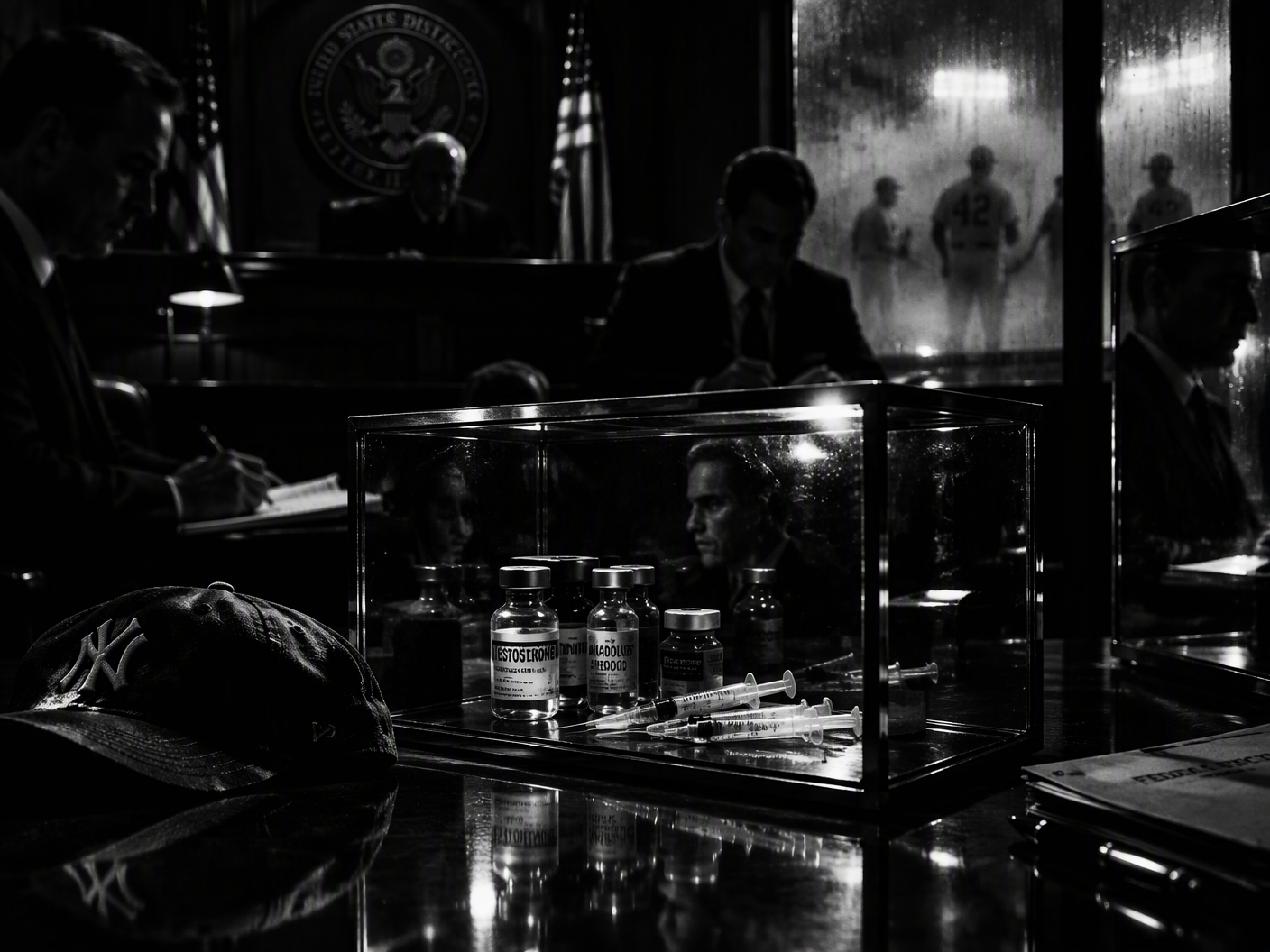
On April 27, 2007, Kirk Radomski pleaded guilty in federal court in San Francisco to one count of distributing anabolic steroids and one count of laundering money from his sales. The 37-year-old former New York Mets clubhouse employee also agreed to cooperate with federal investigators and with the baseball steroid investigation led by former U.S. senator George Mitchell.
Radomski had worked for the Mets from 1985 to 1995 as a batboy and clubhouse attendant. By the time of the plea, he was a personal trainer. Howard Johnson, a former Mets infielder then serving as the team’s first-base coach, remembered him in a modest clubhouse role. “He was a clubhouse kid, one of several, one of the kids that were there,” Johnson said before the Mets played in Washington that Friday night.
According to U.S. Attorney Scott Schools’s account of the plea, Radomski admitted supplying steroids and other performance-enhancing drugs, including human growth hormone and amphetamine, to “dozens of current and former Major League Baseball players.” Radomski said his dealing began in 1995, when he left the Mets. Outside court, lead prosecutor Matt Parrella described Radomski’s clientele as focused almost exclusively on major-league players but declined to name his clients.
The investigation had reached Radomski well before the guilty plea. Schools said a confidential informant tipped off authorities in 2005. A search of Radomski’s home on December 14 of that year turned up thousands of doses of anabolic steroid pills and injections, other drugs, and shipping and financial records. According to Schools, Radomski agreed to begin cooperating with the government immediately after the search.
The players were not identified when Radomski pleaded guilty. Their names were blacked out in a search-warrant affidavit obtained by the Mercury News. The same federal investigators who had pursued the Bay Area Laboratory Co-Operative case were handling Radomski’s case, but that connection did not identify his clients.
The Mets said they were “surprised and disappointed” by the plea and called the conduct contrary to the organization’s values and standards. Major League Baseball’s response focused on Radomski’s promised cooperation. In a statement, MLB president Bob DuPuy welcomed the requirement that Radomski cooperate with Mitchell as a condition of the plea agreement, then urged everyone connected with the league to come forward with information that could assist the investigation.