
Bizarre & Myths · 1990s
Glenallen Hill’s Spider Nightmare and the Sleepwalking Injury
In July 1990, Glenallen Hill was placed on the disabled list after a sleepwalking episode in which he tried to escape a nightmare about attacking spiders, crossed broken glass, and fell down stairs. The injury became a baseball anecdote, but its documented consequence was narrower: cuts to his hands and feet and an absence from the game.
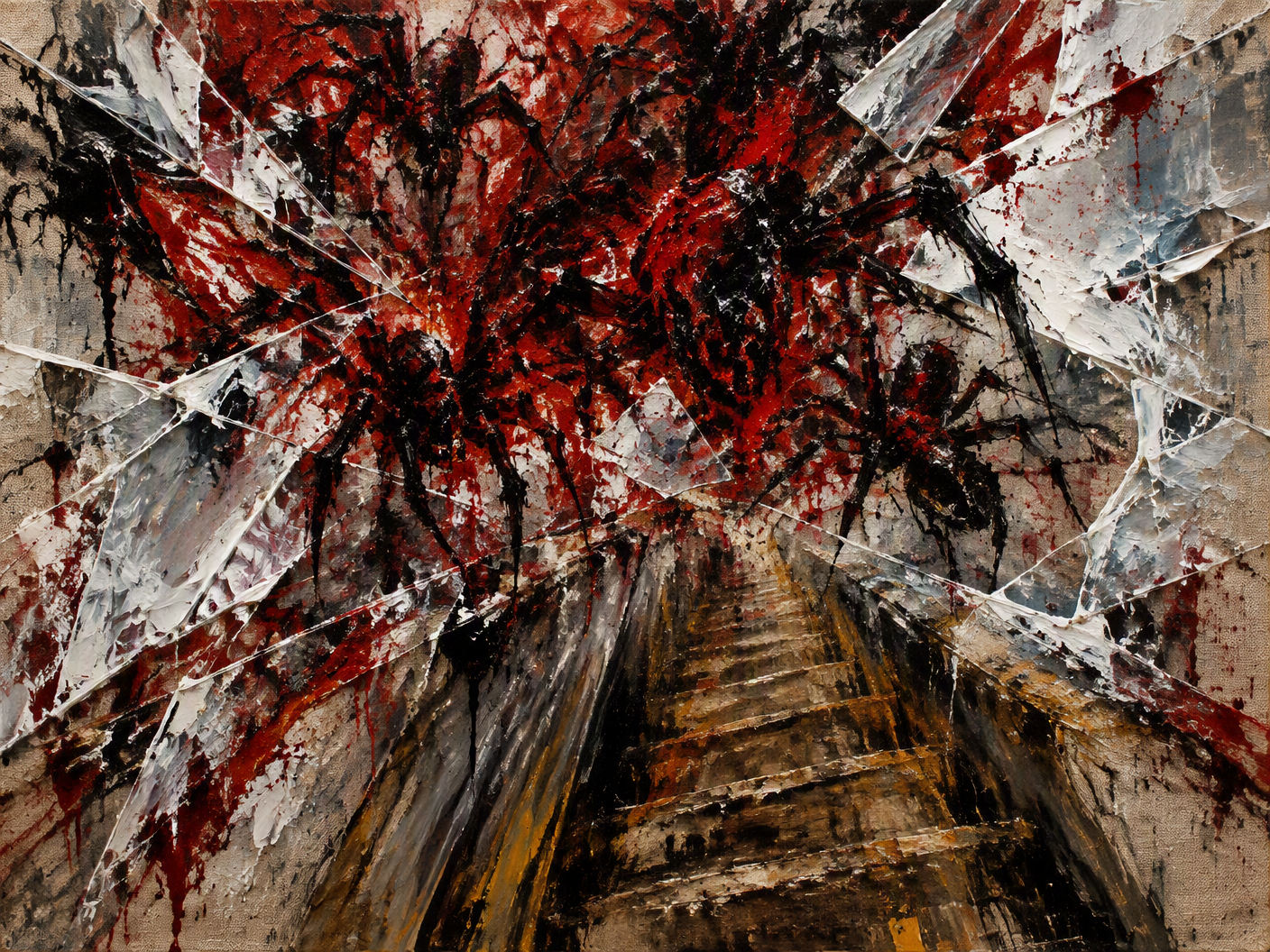
In July 1990, Glenallen Hill left baseball’s active roster because of an injury sustained while asleep. The Toronto outfielder had been dreaming that spiders were attacking him. In the dream, escape required movement; in the room around him, that movement became physical. Hill sleepwalked, knocked over a table, crossed the broken glass, and fell down a flight of stairs. When he woke, his hands and feet were cut. The episode was not a play, a collision, or a training accident. It was an injury that began in a nightmare and ended with Hill placed on the disabled list.
The sequence was brief, but the injuries carried the ordinary consequences of professional baseball. Cuts on the hands and feet could interfere with the basic work of an outfielder: gripping a bat, running, planting a foot, and moving without hesitation. Hill’s absence therefore entered the club’s personnel record in the same formal category as other physical impairments. The disabled list translated a private nocturnal episode into an administrative fact. For the team, the question was not why a dream had taken hold, but when its outfielder could safely return.
The account preserved a precise chain of actions. Hill dreamed of spiders attacking him. He tried to get away while still asleep. A table went over, leaving shards of glass across the floor. His feet and hands were cut as he moved across them, and the fall down the stairs added another injury to the same episode. By morning, the nightmare had ended, but its physical geography remained: the overturned table, the glass, and the stairs. The story’s strange quality came from that direct passage between an imagined threat and the hazards of an actual room.
Baseball supplied the next transformation. An unusual injury rarely remains only an entry in a medical or roster file, especially when the injured player can return to work and the event can be retold in a sentence. Hill’s teammates began calling him “Spiderman.” The nickname took the nightmare’s central image and carried it into the clubhouse, where it could be used as shorthand for the incident and for the player attached to it. A private accident became part of the social language surrounding a professional athlete.
That nickname also altered the shape of the event. The original episode involved sleep, confusion, broken glass, and bodily harm. Retold among teammates, it became “Spiderman,” a compact label that emphasized the spiders and compressed the injuries. The cuts and fall remained part of the story, but the name made the incident easier to remember than to understand. Hill was no longer connected only to an unexplained absence from the lineup. He carried an identity created from the most unusual details of the night.
The distinction between the dream and the waking world mattered to the episode’s meaning. The spiders belonged to the nightmare; the table, glass, and stairs belonged to the room. Hill’s body moved between those two conditions without the ordinary protection of awareness. The result was not a contest against an opponent or a calculated act of risk. It was an involuntary passage in which the imagined danger directed real movement, and real objects supplied the wounds.
For Hill, the immediate public consequence was absence. In July 1990, the disabled-list placement gave the incident a place in the formal life of the club, even as the details belonged to a far less formal story. The roster designation marked lost availability; the nickname marked what teammates remembered. Those two records developed together. One measured the practical cost in games and work. The other preserved the episode as a piece of baseball folklore, attached to Hill because the injury had followed such an unlikely route.
The episode later acquired a second chapter, but not a second version of the 1990 injury. In April 2017, at an Albuquerque Isotopes media day in Albuquerque, New Mexico, Hill allowed a giant pink-toed tarantula to crawl on his arm. The scene reversed the old arrangement: the spider was no longer confined to a dream, and Hill was no longer moving blindly to escape it. He permitted the encounter in public, under controlled circumstances, decades after the sleepwalking incident had made spiders part of his baseball identity.
The tarantula appearance did not erase the original sequence. It gave the story an afterlife with a visible contrast. In 1990, a nightmare about spiders preceded sleepwalking, broken glass, cuts, and a fall down stairs. In 2017, Hill allowed a living tarantula to crawl across his arm at a media event. The later act made the earlier nickname usable again, but it did not turn the 1990 episode into a medical diagnosis or prove that the accident had permanently redirected his career.
What endured was a small but unusually complete baseball story: an outfielder dreamed of being attacked by spiders, tried to flee while asleep, knocked over a table, walked across broken glass, fell down stairs, and missed time on the disabled list. His teammates answered with a name—“Spiderman”—and Hill later accepted a tarantula on his arm in Albuquerque. The surviving public account establishes the injury and its memorable sequel. It leaves the episode where it began: an unexplained sleepwalking accident whose physical consequences were real, and whose nickname lasted longer than the absence.
Investigative Dossier & Evidence
Read the companion investigation notes, verified source claims, and primary documents.
Read the Companion Notes & Evidence Record →